
The pace of technology doesn’t just increase; it accelerates. What seemed like science fiction just a few years ago is now becoming mainstream. As we settle into 2025, several pivotal innovations are moving beyond the testing phase and starting to fundamentally change how we live, work, and interact.
Forget the abstract buzzwords for a moment. These are the ten most disruptive technologies that are poised to make a real, human impact right now.
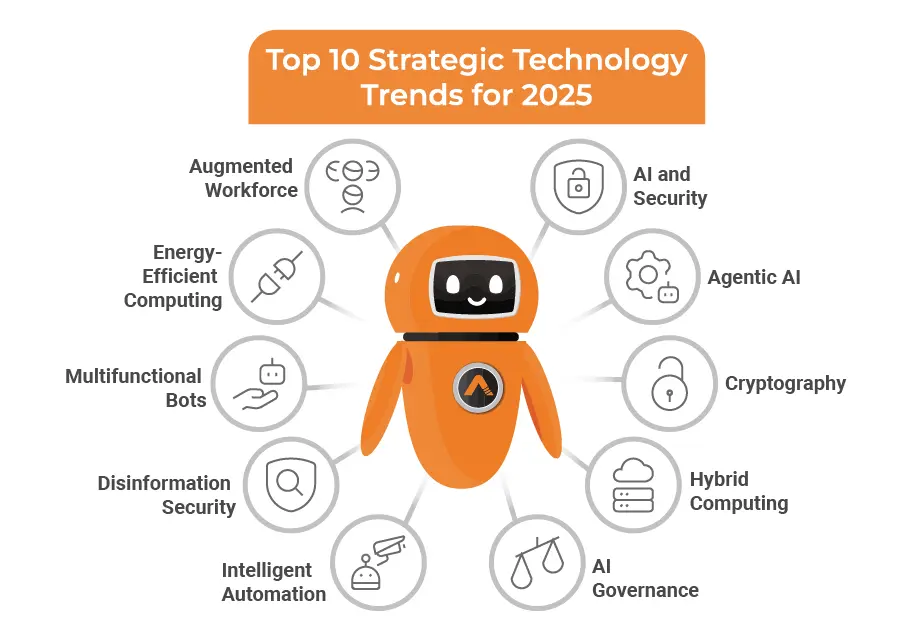
1. Generative AI Goes Autonomous (Agentic AI)
We’ve all been amazed by tools like ChatGPT, which can create content, code, and images from a simple text prompt. But in 2025, the game changes with Agentic AI.
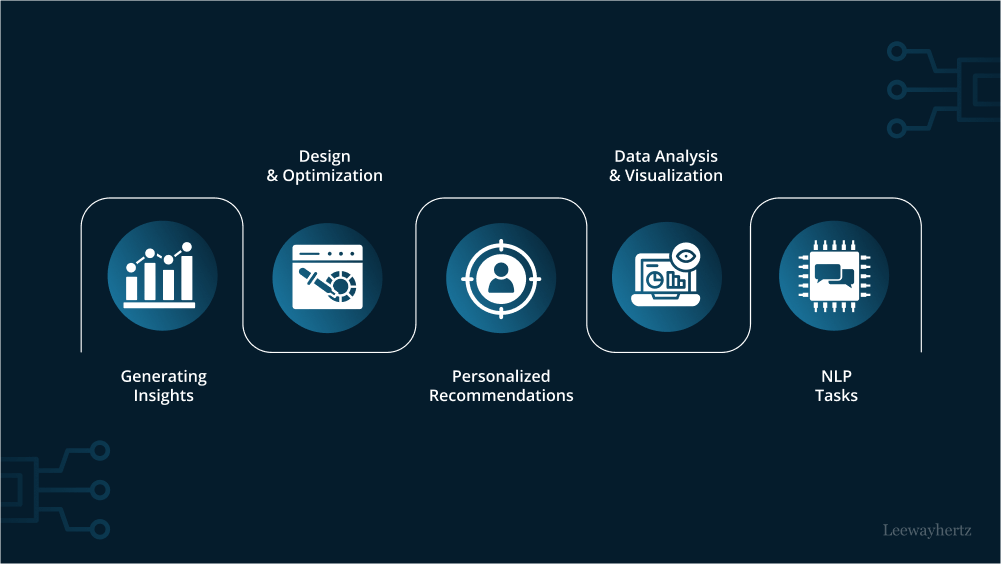
Instead of just responding to a prompt, these AI systems are becoming “virtual coworkers.” They can take a complex, high-level goal—like “Plan a three-month digital marketing campaign for our new product”—and autonomously break it down, execute the tasks, interact with other software, and even correct their own mistakes. It’s like having an incredibly efficient, self-starting employee who never sleeps.
Original Insight: This shift means we’re moving from using AI tools to delegating entire workflows to AI, freeing up human staff for creative thinking and complex problem-solving.
2. The Rise of Extended Reality (XR)
The terms Virtual Reality (VR) and Augmented Reality (AR) are merging into Extended Reality (XR), and it’s finally leaving the realm of gaming and entertainment.

We are seeing a massive adoption of XR headsets and smart glasses in practical environments. Think of engineers performing complex maintenance by overlaying digital instructions onto a physical machine in real time, or surgeons practicing procedures in hyper-realistic virtual operating rooms. The goal isn’t to replace the real world, but to seamlessly augment it, making complex tasks simpler and less error-prone.
3. Decentralized Web & Data Ownership (Web3)
For years, a handful of giant companies have controlled most of the internet’s data and traffic. Web3, built on the backbone of blockchain technology, aims to change that.
This isn’t just about cryptocurrency anymore; it’s about shifting power back to the individual user. Web3 facilitates decentralized applications (dApps) and decentralized finance (DeFi), where transactions are transparent and secure without a central bank or governing authority. For the average person, this means having verifiable, true ownership of your digital assets and identity, not just renting them from a platform.
4. Quantum Computing Comes Closer to Commercial Use
Classical computers use bits that are either a 0 or a 1. Quantum computing uses ‘qubits,’ which can be both 0 and 1 simultaneously. This simple difference unlocks a level of processing power that is nearly impossible to comprehend.

While we’re not all using quantum laptops yet, 2025 sees the technology moving out of pure research labs and into niche commercial fields. Its initial impact will be felt in areas like drug discovery (simulating molecules faster than ever), advanced cryptography (breaking current encryption standards), and complex logistics optimization (solving massive scheduling puzzles).
5. Hyper-Personalized Healthcare through Biotechnology
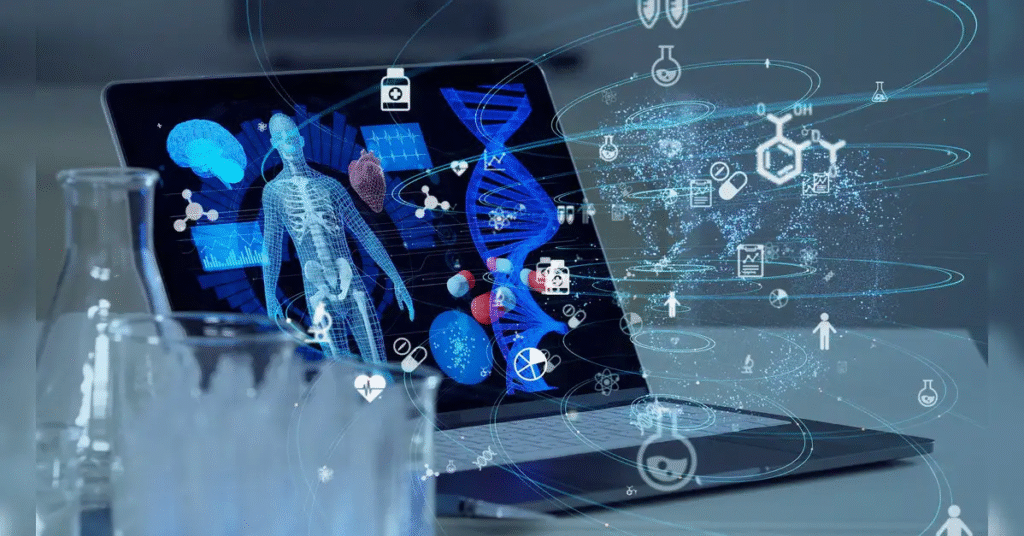
Biotechnology innovations are moving beyond general medicine to a highly customized approach. Thanks to breakthroughs in CRISPR gene editing and sophisticated AI analysis, doctors can now create treatments tailored to an individual’s unique genetic makeup.
This revolution means we are seeing more effective gene therapies for inherited diseases and highly targeted cancer treatments. The future of health isn’t a one-size-fits-all pill, but a perfectly customized plan based on your DNA.
6. Edge Computing: Data Processing at the Source
As the world fills up with billions of IoT (Internet of Things) devices—from smart watches to industrial sensors—the demand for instant data processing is overwhelming centralized cloud centers.
Edge Computing solves this by moving the processing power closer to where the data is actually collected—the “edge” of the network. This drastically reduces latency (delay). For an autonomous vehicle, for example, waiting even a fraction of a second for data to travel to a distant server and back could be catastrophic. Edge computing ensures real-time decisions, which is critical for smart cities, automated factories, and self-driving cars.
7. The Evolution of Ultra-Fast Connectivity (5G Expansion)

You might already have 5G on your phone, but 2025 is the year its full potential starts to be realized across entire industries. The widespread expansion of reliable, ultra-low latency 5G networks is the essential glue holding many other innovations together.
Imagine a construction site where dozens of robotic systems, remote-controlled equipment, and safety sensors communicate instantly without fail. This powerful backbone enables truly smart cities and advanced IoT applications, fundamentally changing how infrastructure operates.
8. Sustainable Technologies and Green Energy Solutions
The global focus on climate change is driving rapid innovation in sustainable technology. This isn’t just about solar panels; it’s about efficiency woven into the digital fabric.
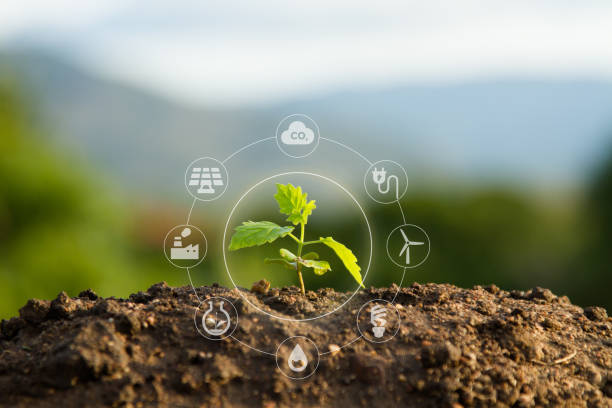
We’re seeing advancements in smart grids that can dynamically balance renewable energy sources, energy-efficient ‘Green Computing’ data centers, and breakthroughs in battery technology for both Electric Vehicles (EVs) and long-term energy storage. Sustainability is quickly becoming a critical metric for every new tech development.
9. Advanced Cybersecurity through Zero-Trust and AI
With more data flowing everywhere, cyber threats are growing more sophisticated. The traditional “castle-and-moat” security model—where everyone inside is trusted—is obsolete.
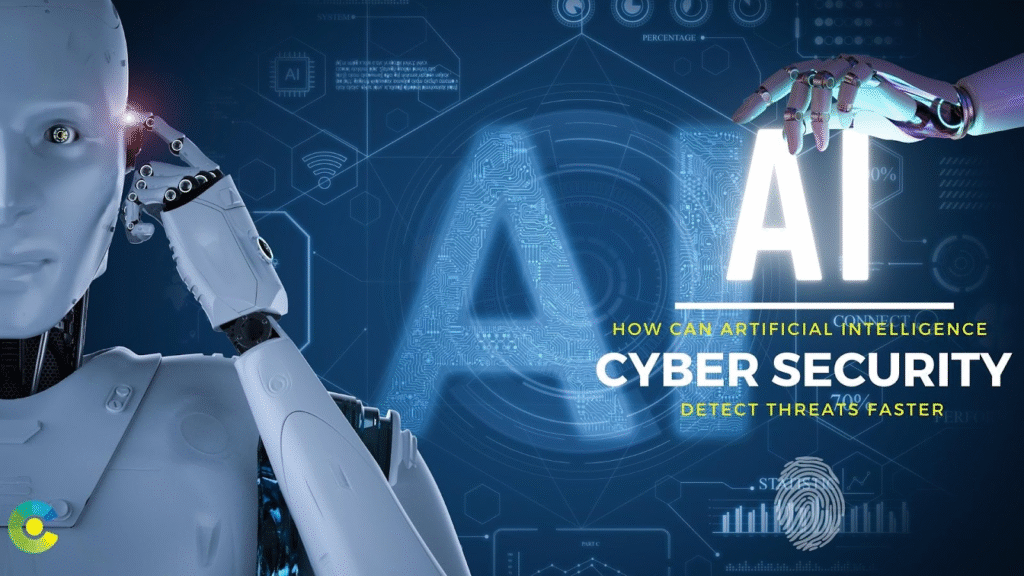
The new standard is Zero-Trust Architecture. In a Zero-Trust model, no user, device, or application is trusted by default, regardless of location. Every single access request must be verified. This, combined with AI-powered systems that can detect and neutralize threats in milliseconds, is creating a much stronger digital defense against increasingly clever attacks.
10. The Rise of Multifunctional Robotics
Robots are no longer just clunky machines on an assembly line. In 2025, Advanced and Multifunctional Robotics are becoming more adaptable and collaborative.
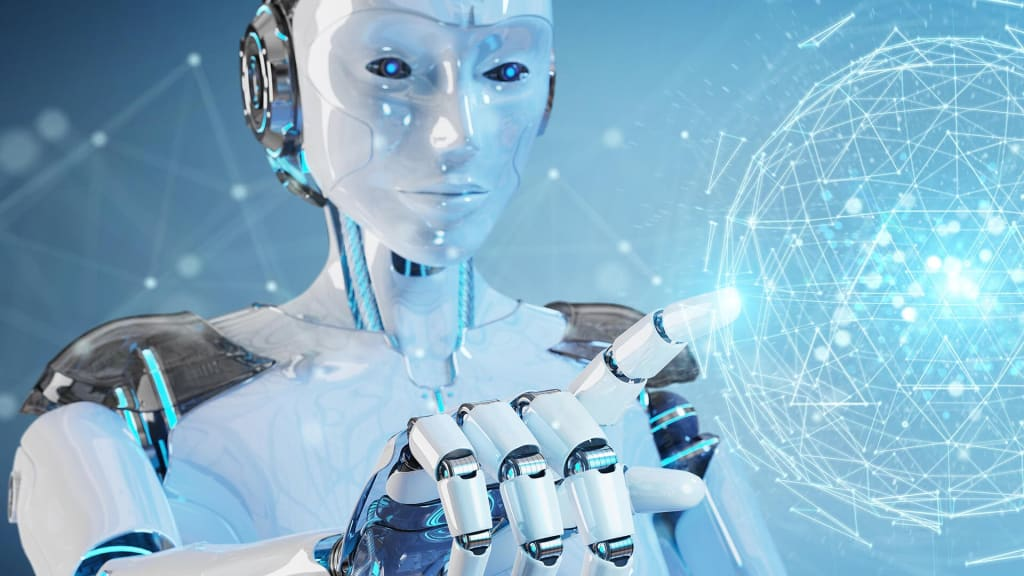
Thanks to improved AI and sensor technology, robots like humanoids or versatile arms can learn new tasks, work safely alongside humans, and perform complex, non-repetitive jobs in fields like logistics, healthcare, and even agriculture. They are moving from simple automation to true augmentation of the human workforce.
1. Key Technology Trends in 2025
The technological landscape is dominated by the maturation and convergence of several powerful forces:
- Generative AI (GenAI) and Agentic AI:
- GenAI Mainstreaming: GenAI will move from experimental projects to becoming essential in daily business processes, enhancing creativity, automation, and productivity. It’s driving breakthroughs in content creation, coding (AI Code Assistants), and drug discovery.
- Agentic AI: This is the rise of autonomous systems or “agents” that can handle end-to-end workflows, make decisions, and interact with the physical world with minimal human intervention. This shift moves technology from a human tool to a more autonomous partner.
- Hyperautomation and Intelligent Systems:
- Hyperautomation goes beyond simple robotic process automation (RPA), integrating AI and Machine Learning to automate entire, complex business processes end-to-end.
- Autonomous/Self-Healing Systems are emerging, capable of diagnosing and resolving issues across critical infrastructures without human oversight, significantly reducing operational downtime.
- Decentralized and Edge Technologies:
- Edge Computing continues to grow, processing data closer to the source (e.g., smart factories, autonomous vehicles) to enable real-time decision-making.
- No-Copy Architectures (leveraging federated learning and data virtualization) keep data in its original location while allowing efficient access, which is crucial for enhanced security, lower costs, and quicker insights.
- 5G and the Internet of Things (IoT) provide the high-speed network foundation and connected devices necessary for these decentralized, intelligent systems to operate.
2. Breakthroughs in Science and Industry
Biotechnology and Life Sciences
The convergence of AI with biological sciences is accelerating innovation, moving toward Precision Health.
- Precision Medicine: This approach is becoming more personalized, moving beyond genomics to integrate metabolomics and other “omics” data. AI-accelerated genomic analysis is enhancing diagnostics and the development of targeted therapies.
- Gene Editing and Synthetic Biology: Advancements in CRISPR-Cas9 and next-generation editing techniques like Prime Editing are improving accuracy for in vivo (in-body) gene therapies, which are expanding to target more complex diseases, including those with polygenic roots.
- AI-Accelerated Drug Discovery: AI and Machine Learning are used to predict the effectiveness and safety of potential drug compounds through molecular simulations, drastically shortening the time and cost of bringing new therapies to market.
Energy and Sustainability
Sustainable Technology and Green Computing are moving from optional efforts to business imperatives.
- Green Computing: There’s a major push for energy-efficient data centers, with investment in better cooling systems and a shift toward renewable energy sources to reduce the carbon footprint of compute-intensive AI workloads.
- Bio-Based Solutions: Synthetic biology is being leveraged to produce renewable biofuels and biodegradable plastics, and for carbon capture systems where microbes sequester CO2 and transform it into valuable materials.
- Circular IT Practices are gaining importance, focusing on maximizing the lifespan of hardware and minimizing electronic waste.
3. Societal and Ethical Implications
As technology becomes more powerful and personal, trust and governance are critical areas of focus.

- AI Governance and Regulation: As Agentic and Generative AI systems are deployed, the focus is shifting to establishing AI Trust, Risk, and Security Management (AI TRiSM) frameworks.
- This includes implementing bias reduction mechanisms and developing transparency standards to explain how AI models arrive at decisions (explainability). Global regulations, such as the EU AI Act, are driving this proactive governance.
- Information Integrity and Disinformation Security: The rise of sophisticated Generative AI increases the risk of misinformation and deepfakes. This necessitates new strategies and technologies for detecting, preventing, and mitigating the spread of false content, with a focus on AI-powered detection and shared threat intelligence.
- Data Privacy and Digital Divide:
- Data Privacy remains a primary ethical concern, with a need for stricter, globally coordinated governance to manage how personal information is collected, used, and secured, especially with the proliferation of IoT and edge devices.
- The Digital Divide is an enduring challenge, where inadequate access to technology and digital literacy perpetuates social and economic inequality, especially in marginalized and rural communities.
- Workforce Adaptation: The rise of hyperautomation and Agentic AI will lead to the AI-augmented workforce, where human talent is freed from repetitive tasks to focus on strategy and creativity. However, this also creates a critical need for reskilling and upskilling employees to collaborate effectively with intelligent systems.
Key Global Trends and Risks for 2025
| Domain | Key Trend/Challenge | Impact/Risk |
| Technology | Agentic AI & Generative AI Maturation | Risk: Rapid AI-driven misinformation, lack of trust, new cyber threats. Opportunity: Increased productivity, autonomous systems, new job roles (e.g., AI Governance). |
| Economy | Persistent Global Trade Protectionism | Increased tariffs, geoeconomic fragmentation, supply chain disruption, and potential for renewed inflation or slower global growth. |
| Environment | Accelerated Climate-Change Mitigation/Adaptation | Risk: Extreme weather events, biodiversity loss, natural resource shortages leading to physical and transition risks for businesses. Opportunity: Demand for green skills and technologies (e.g., renewable energy). |
| Geopolitics | Geopolitical Tensions & Fragmentation | Increased global conflict risk, security concerns, shifting trade/investment alliances (friend-shoring/re-shoring), and political uncertainty impacting business models. |
| Societal | Aging and Declining Working Age Populations | Labor and long-term care shortages, increased fiscal pressure on public services, and need for new skills like talent management and resilience. |
| Regulation | Increased AI Governance and Data Privacy Laws | Stricter compliance requirements globally (e.g., EU AI Act, new state/country data laws), mandatory ethical reviews for AI use, and new ESG reporting standards. |
#TechnologyTrends2025 #AIRevolution #FutureTech #Carrerbook#DigitalInnovation #SmartDevices #GreenTech #Cybersecurity #QuantumComputing #TechUpdates #Metaverse